The Problem

We are focused on eliminating marginal and orphaned well methane emissions (and other harmful gases) because there is no more time. This activity represents the highest impact in the shortest period of time. This is because methane emissions are 84x more damaging to the atmosphere over 20 years than CO2. This classifies it as a super pollutant and is responsible for 30% of today’s planetary warming and negatively affects air quality and groundwater.
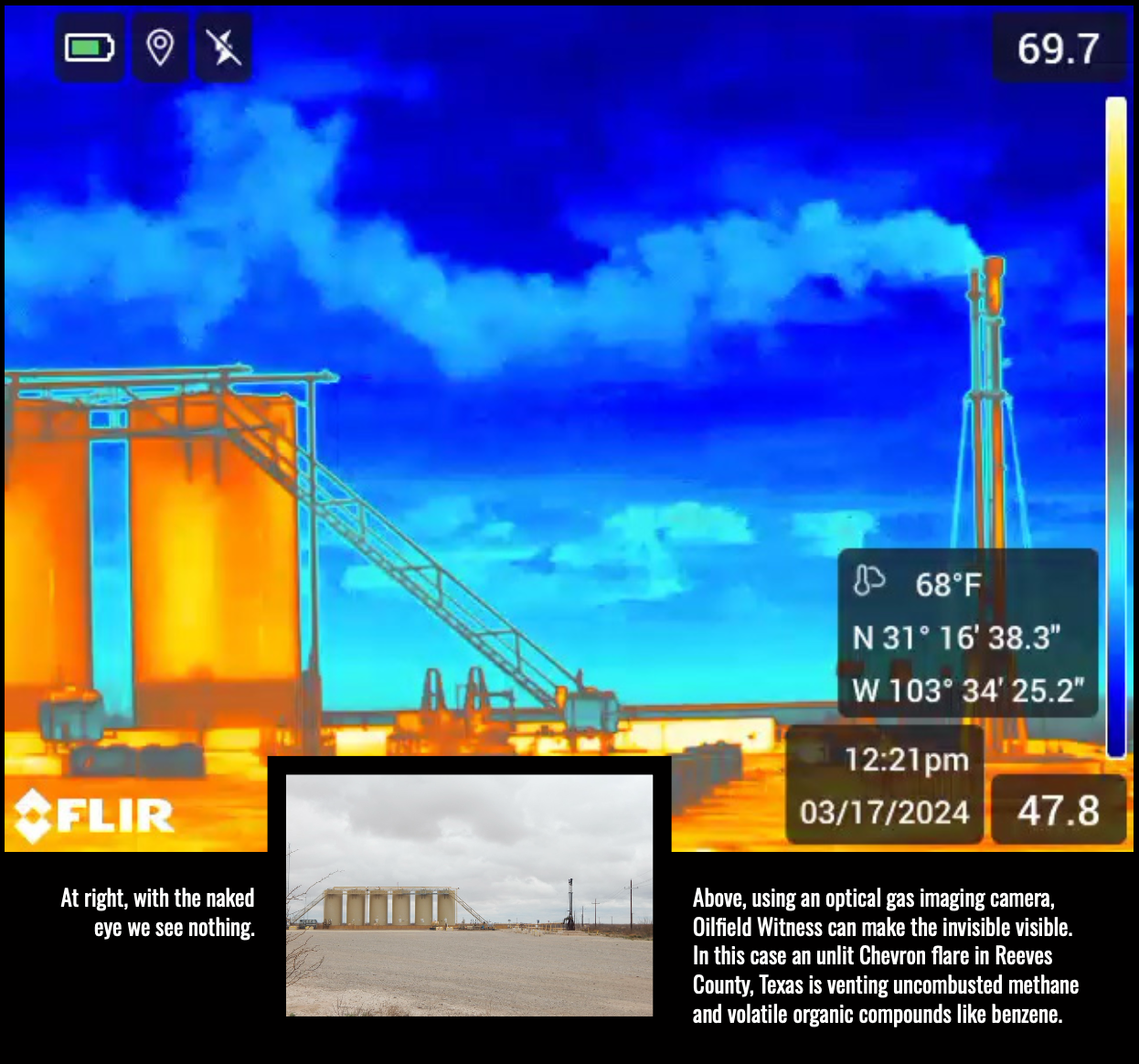
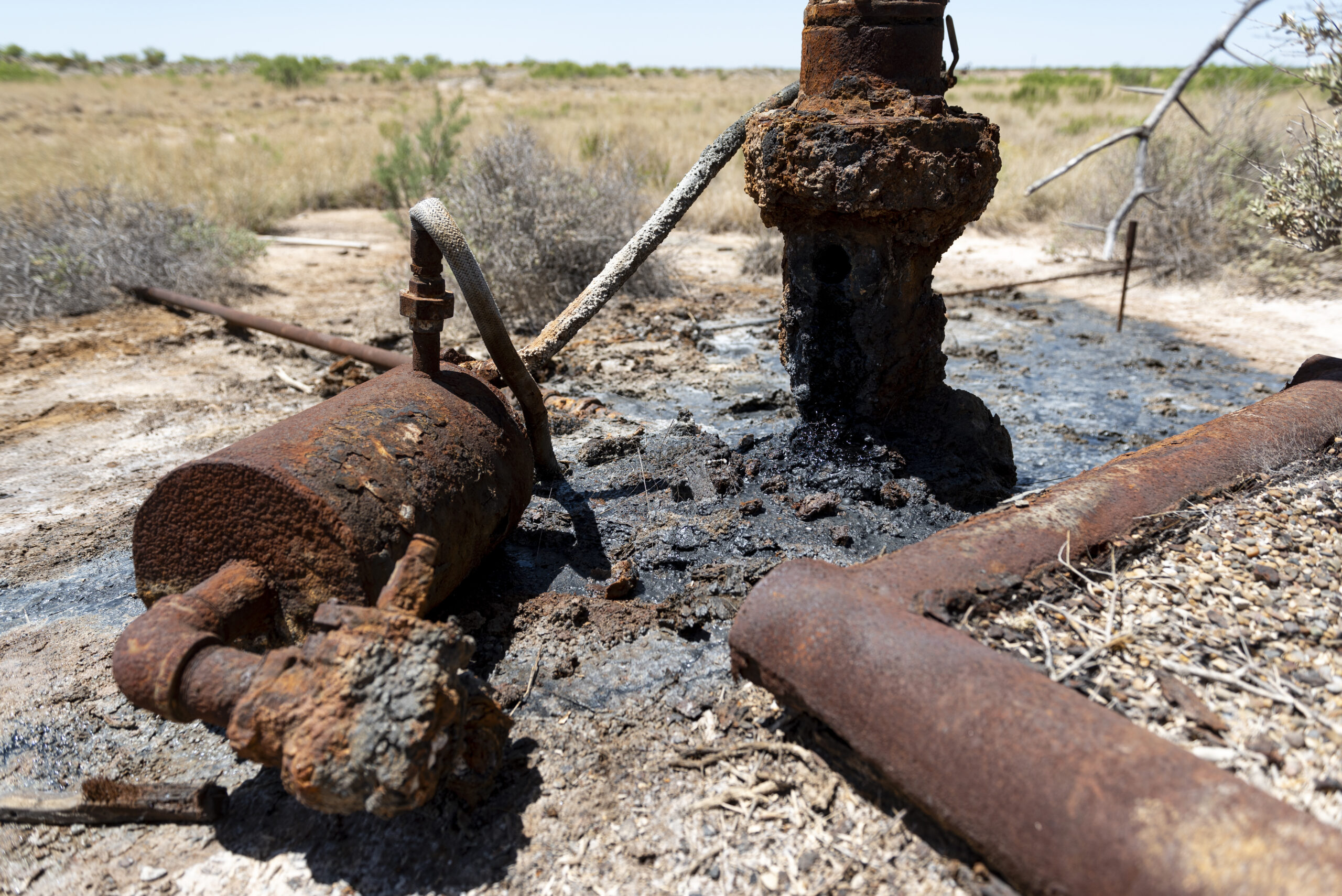
When methane begins leaking from a marginal or orphaned well, it does not stop. The wellhead continues to deteriorate, emitting more methane until the reservoir runs dry.

Here is a quick list of some of the health-related problems that Garfield County, TX residents living with gas wells on or near their property have experienced:

  • Respiratory aliments
  • Recurrent sinus infections
  • Severe headaches
  • Bloody noses
  • Vomiting and Diarrhea
  • Eye infections
  • Brain tumors

This is just a small sample of the impact methane emissions can have. Other damaging health affects from leaking gas wells include:

  • Respiratory issues from VOCs and nitrogen oxides
  • Cardiovascular and neurological damage
  • Cancer risks from carcinogens
  • Asphyxiation symptoms
  • Reproductive and developmental hazards
At nearly every oil and gas site, methane leaks also produce benzene, a known carcinogen, as well as other chemicals that have been shown to harm bone marrow, weaken the immune system, impair the nervous system, as well as cause headaches, dizziness, vomiting and fatigue. The research was published in Environmental Research Communications. Using their findings, they found benzene reached unhealthy levels in 99.7 percent of leaks. Scientists say their research on the toxic chemicals found alongside methane adds greater urgency to efforts to plug leaks.

Marginal Wells

Marginal wells, also known as “stripper wells,” are significant contributors to emissions despite their relatively small production. The U.S. Environmental Protection Agency (EPA) estimates that marginal and abandoned wells emit over 280,000 metric tons of methane annually, equivalent to more than 7 million tons of CO₂e. Individual unplugged wells can release anywhere from 1 to 10 metric tons of methane per year, depending on casing integrity, age, and geology. Methane’s global warming potential (GWP) is 84–86 times that of CO₂ over a 20-year timeframe, making these emissions a critical climate target.
By permanently capping marginal wells, we provide measurable, verifiable, and additional emission reductions aligned with ISO 14064-2 and ICR methodology frameworks. For example, the permanent closure of just 1,000 marginal wells could prevent 5,000–10,000 metric tons of methane leakage annually, equivalent to 420,000–860,000 metric tons of CO₂e avoided on a 20-year GWP basis—comparable to removing 90,000–185,000 cars from the road each year. This approach offers a scalable and significant opportunity for global climate change mitigation.
A poignant, real-world example of the importance of addressing marginal well emissions is found in the story of Weatherly Oil & Gas in Texas, which highlights how small, independent operators often walk away from their financial obligations, leaving the public to pay for cleaning up their environmental liabilities.

The Story of Weatherly Oil & Gas (Texas)

  • The Situation: Weatherly was a small-scale, independent oil company operating in West Texas. As its wells matured, they became “marginal wells” or “stripper wells”—low-producing assets that cost more to operate and maintain than the value of the oil they produced.
  • The Financial Struggle: When oil prices dropped or maintenance costs spiked, Weatherly could not afford to plug and abandon (cap) their 173 old wells, a process that requires special equipment, concrete, and skilled labor, costing tens of thousands of dollars per well.
  • The Outcome: Faced with insolvency, Weatherly filed for bankruptcy protection. Rather than paying to properly close the wells, they “handed over” the 173 wells to the Texas Railroad Commission (the state regulatory agency), making them, at the time, the largest creator of orphan wells in Texas.
  • The Aftermath: While the company claimed they couldn’t afford to pay to fix the environmental hazard, reports showed that company executives were paid millions of dollars in the year preceding the bankruptcy. The $3.5 million deal reached with the state did not even cover a third of the estimated $13.3 million cleanup cost.

This story is a microcosm of a widespread, systemic issue across the United States. Thousands of operators face similar dilemmas:

  • “Stripper Well” Problem: 80% of active wells in the U.S. are “stripper wells” (producing less than 15 barrels a day), but they account for a small fraction of overall production, making them high-risk liabilities.
  • The “Hot Potato” Method: An unprofitable well is often sold down the line to smaller and smaller companies that lack the capital to plug them, until the last owner goes bankrupt and “walks away,” leaving the well orphaned.
  • Insufficient Bonding: State-required bonds, which are intended to pay for plugging, are often only a fraction of the actual cost, leaving taxpayers with billions in liabilities.

Other examples include situations where farmers or landowners discover abandoned wells—previously owned by defunct, small operators—leaking toxic methane or brine into the soil, with no responsible party left to pay for the cleanup.

There are estimated to be over 700,000 marginal wells in the US. They produce less than 15 barrels of oil equivalent (BOE) per day. They leak a disproportionately high amount of methane. There is no financial incentive for operators to plug these wells. In fact, they often continue to pump oil or gas periodically so they can avoid the cost of plugging these wells. Many marginal wells are a liability on the Operator’s balance sheet. Without our program, they have no incentive to plug these wells.
However, with our projects, we are able to turn their financial marginal well liabilities into assets! This prevents many of these wells from eventually becoming orphaned wells and continuing to leak harmful methane for decades.

Orphaned Wells

Estimates of total, including undiscovered, abandoned, and orphaned wells, range from 310,000 to over 3.2 million, with some studies suggesting the true number of undocumented orphaned wells could be a million or more.  These wells are unplugged, inactive, and have no responsible party to handle cleanup or liability. 


These orphaned wells leak methane, a potent greenhouse gas, into the atmosphere and can contaminate groundwater.  Roughly 14 million Americans live within one mile of a documented orphan well.


Government programs have received $4.7 billion in funding to plug these wells.  However, the impact of those efforts are miniscule compared to the size of the problem.  Those grants are slow and only address a very small percentage of orphaned wells.
The Solution

The solution is simple…permanently cap those leaking wells. Methane mitigation on marginal and orphaned wells is a force multiplier for climate action and improvement of the overall health of Americans.

Unplugged oil and gas wells impose more than climate costs. Impacts can include air pollution, groundwater contamination, soil degradation, damage to ecosystems, and risk of explosions, all of which pose threats to human health. Plugging wells can mitigate these impacts, providing both short- and long-term environmental benefits.

We partner with oil and gas operators to eliminate methane emissions on marginal and orphaned wells. By preventing methane from entering the atmosphere, we reduce the rate at which the planet is heating up exponentially – more quickly and cost-effectively than any other climate strategy.

Improves air, soil and water quality

Measurable social and economic value supporting local communities

Restored safety and land values for landowners

Eliminates community health-related problems

Learn about how you can be a part of the Solution!

Buy credits today or invest with us to participate in lasting climate impact while receiving a substantial return on your investment and/or secure pricing advantages for high-integrity credits.
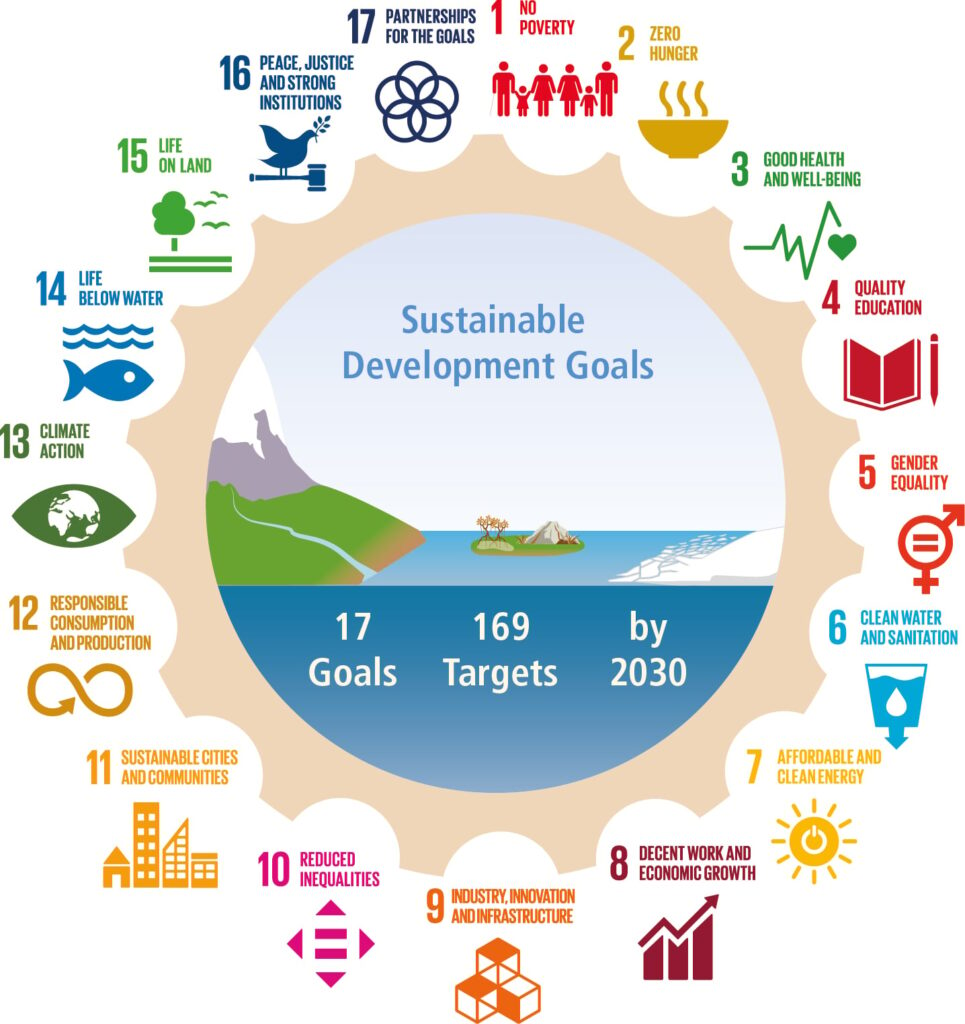
“It can be easy to underestimate the degree of demand for these types of credits.” - Verra (highly-rated carbon credit registry)

Plug the Past.

Restore the Land.

Own the Impact.

Let’s Connect!

Start a conversation

JB Wells is positioned to define the standard for methane abatement credit quality in the United States market.

If you’re evaluating methane abatement opportunities, carbon credit procurement, or capital deployment into climate infrastructure, we’re happy to share more about our execution model, verification framework, project pipeline and investment opportunities.

Use the form to reach our team and we’ll follow up directly.