The Human Impact for Landowners and Operators:
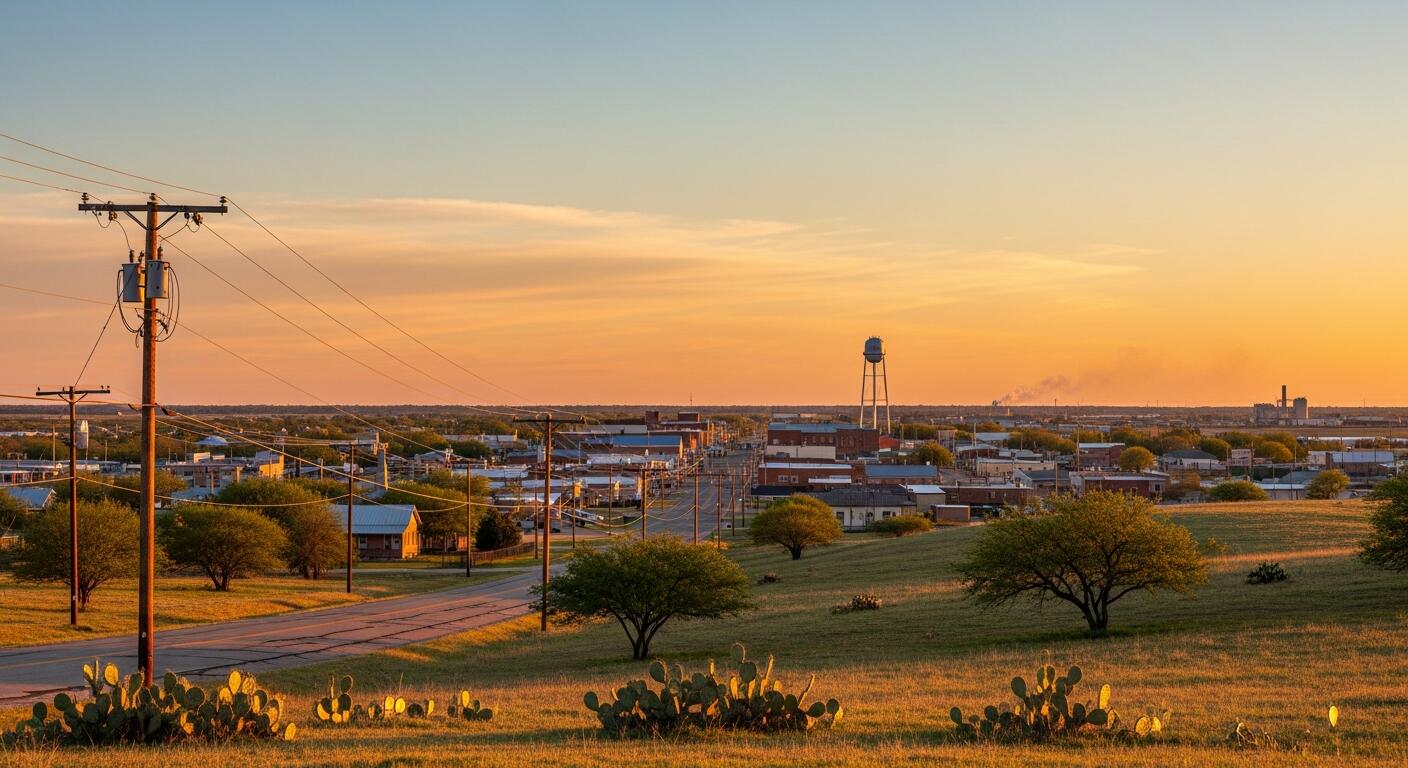
The oil and gas business is one of the few industries that have countless “rags to riches” stories that tie into a mystique and lore surrounding the “Boom or Bust” oil industry’s history. The plight of Rockdale, TX was built on these stories.
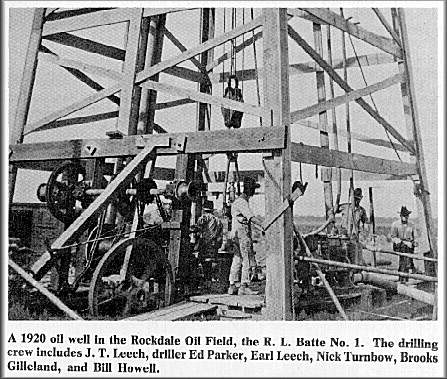
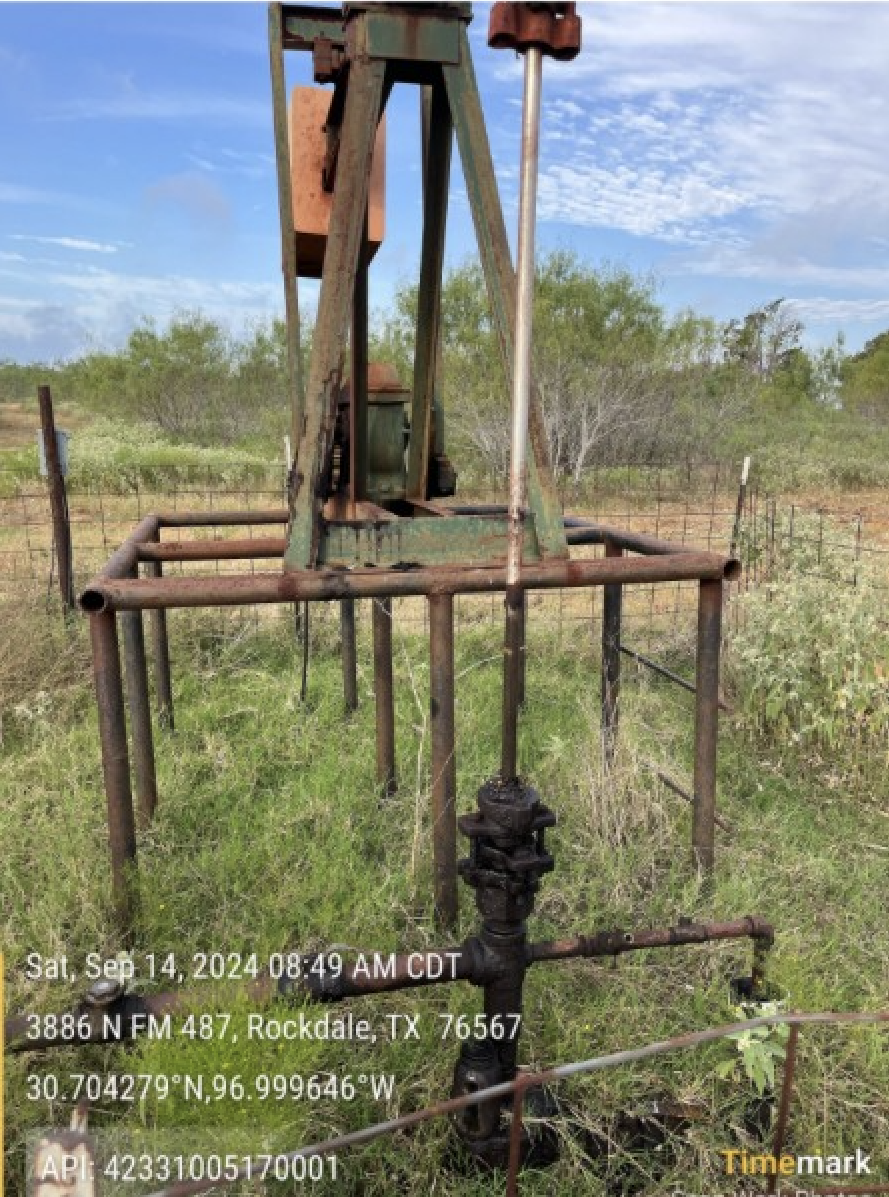
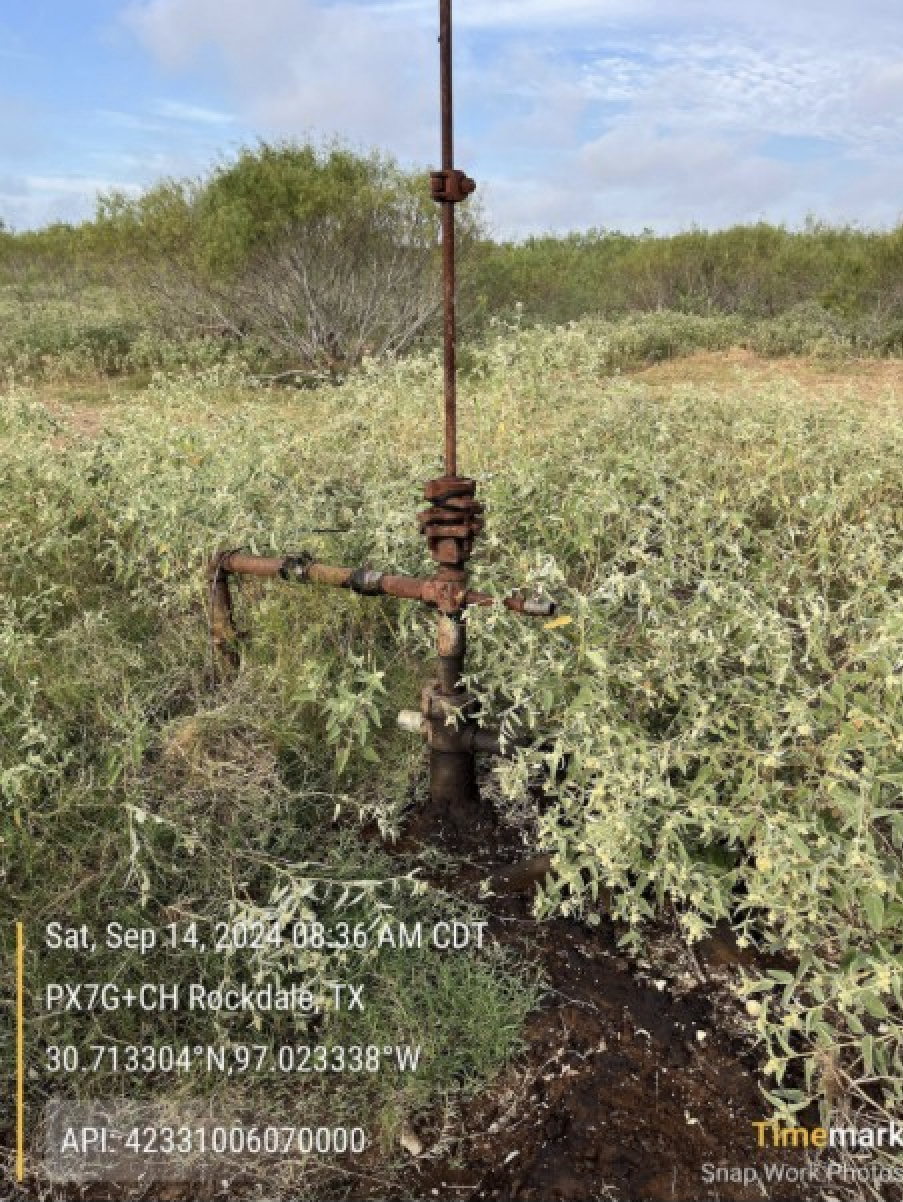
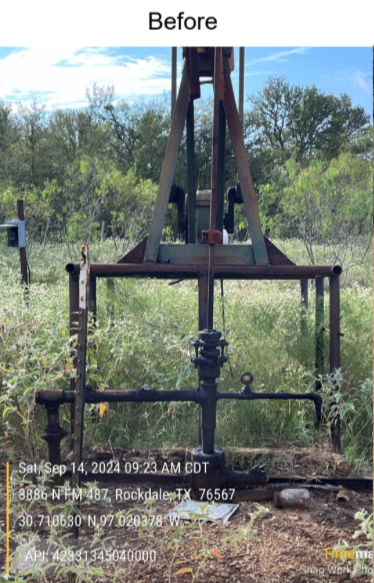
The Minerva-Rockdale Oil Field (MROF) was discovered in 1921 as one of the original drilling towns in Central Texas and after 100 years, the bleak reality of an oil town gone “BUST” has plagued the area for the last 25 years. Many of the original landowners have sold off land, leases and mineral rights due to the declining production and have left a trail of hardships and environmental challenges to the newer generations of landowners with decaying oil infrastructure on their property.
In this example, the landowners inherited several leases spanning over 5000 acres with over 700 aging wells that no longer provide any tangible financial benefit. In the early 2000’s, the current operator took control in an effort to use newer technology to revitalize these wells dating back as early as the 1950’s. After a brief “rush” of production, these wells no longer provided any oil or financial benefit and operations once again ceased, leaving a trail of a decaying industry as its legacy. The operator has all but ceased oil production operations and is continually challenged to find ways to sustain their business as well as provide work for their employees.
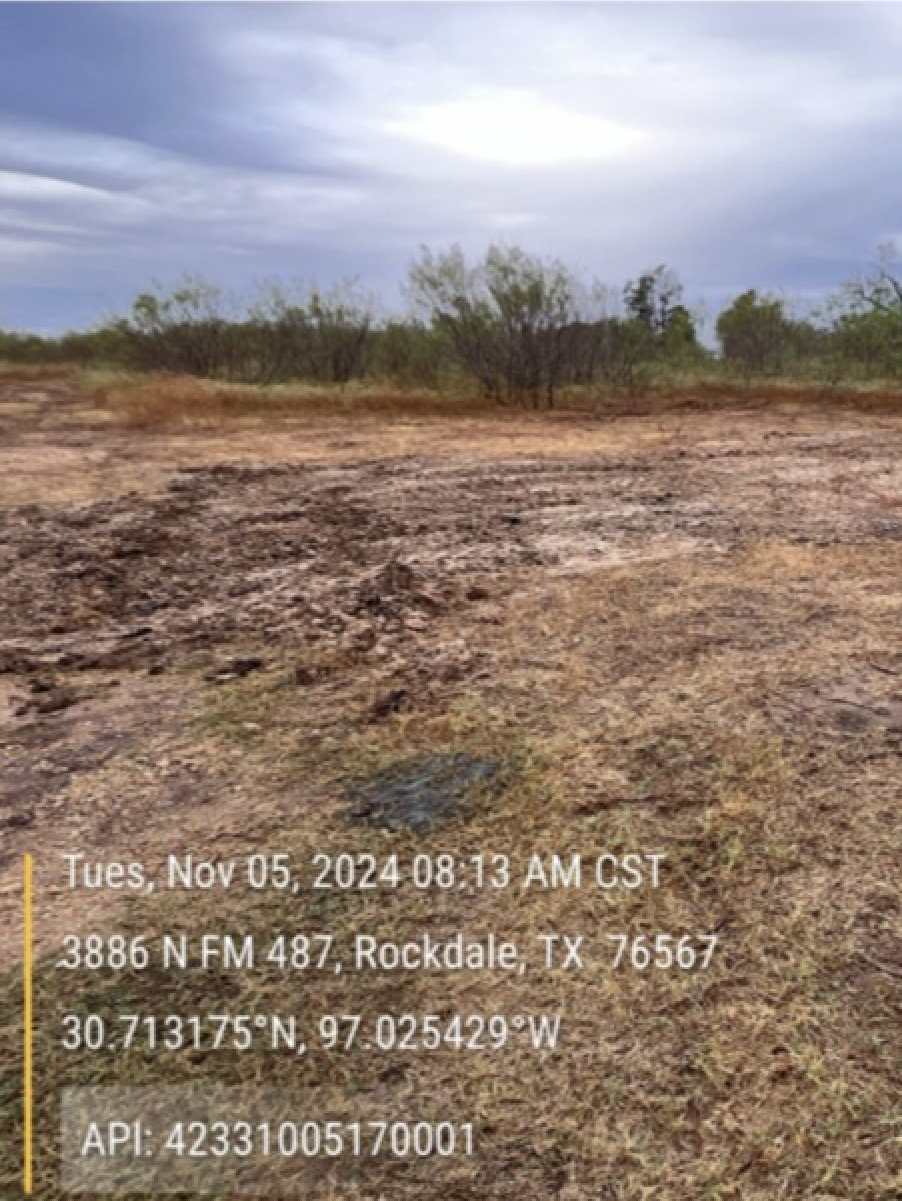
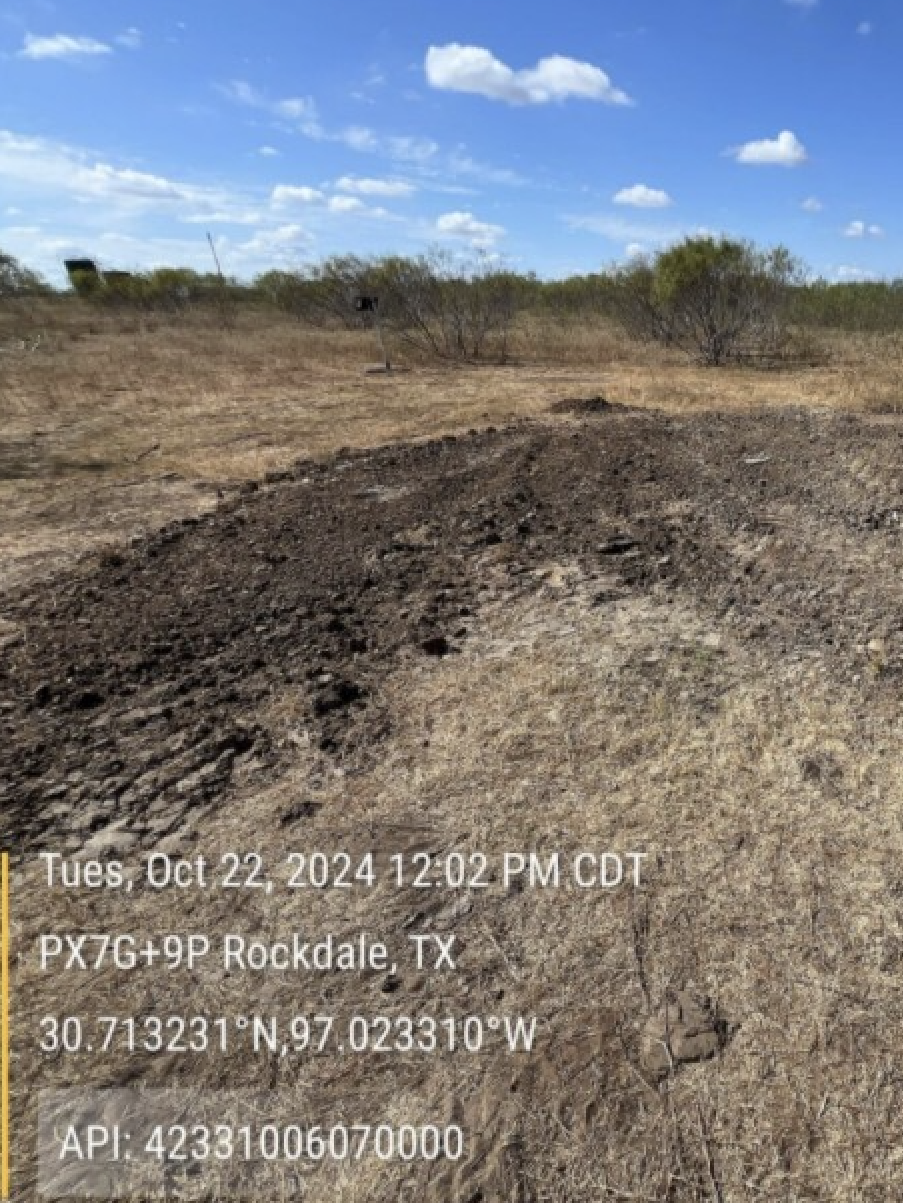
The potential spillages, leakages, ground water contamination and inability to convert these lands back to potential farmland has continued to haunt these landowners as the glaring question of “what are we going to do with these old wells” reminds them of the past and reveals a gloomy blight for any future use of their property.
The financial burdens of compliance with the Texas Railroad Commission (TRRC) along with the myriads of costs to maintain the environmental integrity of these wells soon becomes a growing pain point for these landowners with no scenario of relief in sight. Ultimately, the continued decay of this aging infrastructure would force these landowners to “abandon” their claims and convey the burden of managing the land and wells to the State. These costs are then shouldered by the community and taxpayers with the fear of potential legal penalties and fines by listing the wells as “orphaned or abandoned”.
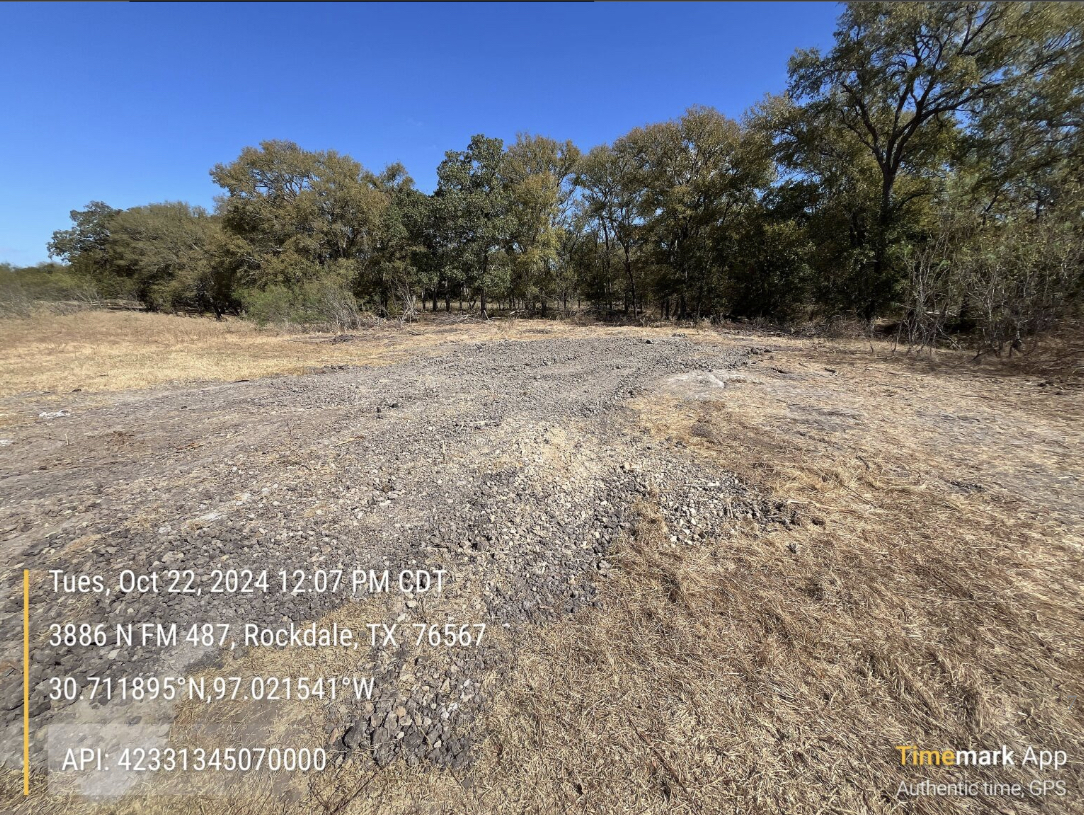
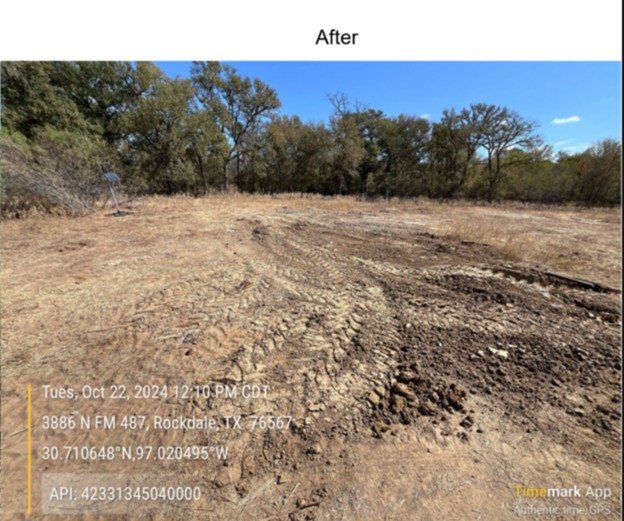
The wells from Rockdale 1-14, Rockdale 2-17, and Rockdale 4-47 leases provided the backdrop for a potential environmental renewal and reclamation for both landowners and operators and the opportunity to embark on a project with a positive environmental impact was presented by Cajun Wells Solutions with the mission to “Capture Fugitive Methane” as core values.
By leveraging Cajun Well’s years of operational expertise, use of revolutionary technology and a certified project development methodology governed by ISO 14064-2 GHG principles, the potential to provide a solution to the challenges of owning and maintaining these aging wells was set into motion.
This project was a welcome answer for the landowners, ultimately allowing them to be stewards of their land without the burden of the oil industry’s wake of decay on their property. This project also infused the operator with a renewed business focus that provided their team and employees with the needed work to help revitalize their families and the community.
Ultimately, the results of Cajun Well’s project will yield not only positive environmental impacts, but also an unforeseen emotional benefit to the landowners. The removal of decaying equipment, environmental hazards, and regulatory uncertainty allows families to reclaim pride in their land, protect its legacy, and envision future agricultural, or conservation uses without fear of contamination or legal penalties. In essence, the project not only restores the physical landscape, it restores peace of mind, financial stability, and a renewed sense of stewardship for the property that previous generations worked hard to preserve.