Use the form to reach our team and we’ll follow up directly.
Marginal wells represent the highest impact, lowest complexity segment of the methane abatement market.
Over half a million oil and gas wells in the United States produced 15 barrels of oil equivalent (BOE) or less daily in 2023 (according to RMI analysis using Enverus and Rextag). These low-producing wells, called marginal wells, comprise three-quarters of all US oil- and gas-producing wells. At most, these wells extract less than 630 gallons a day — enough to fill just eight bathtubs. But most of these wells produce far less than that. Almost half of marginal wells are submarginal wells or “micro producers” that produce one BOE or less per day — not enough to fill one bathtub.
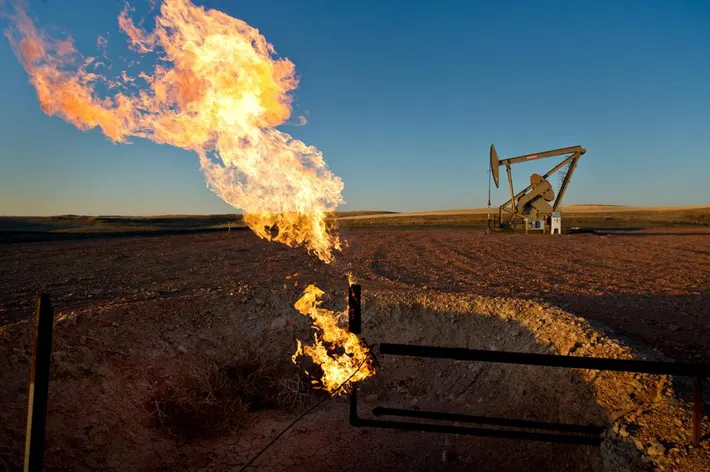
Marginal wells are often overlooked. While government records generally have their location, volume, owner, and operator, marginal wells are often hidden in plain sight, receiving little attention from communities and regulators. These wells, like all oil and gas systems, are a significant source of methane, which causes fires and explosions, contributes to smog, causes significant health problems, and heats the planet over 84 times more powerfully than carbon dioxide.
Marginal wells also emit dangerous air toxins and volatile organic compounds (including benzene, toluene, ethylbenzene, xylene, and hydrogen sulfide) that can sicken people by polluting air, water, and land. The effects on surrounding communities can amount to far greater impacts than the marginal economic benefits gained. And nearly one in ten Americans live in a county with over 1,000 marginal wells.
The small production volumes of marginal wells can make their operations highly emissions intensive and wasteful. Given their massive numbers and heightened risk of being abandoned, we target these marginal wells due to their high probability of being major methane emitters.
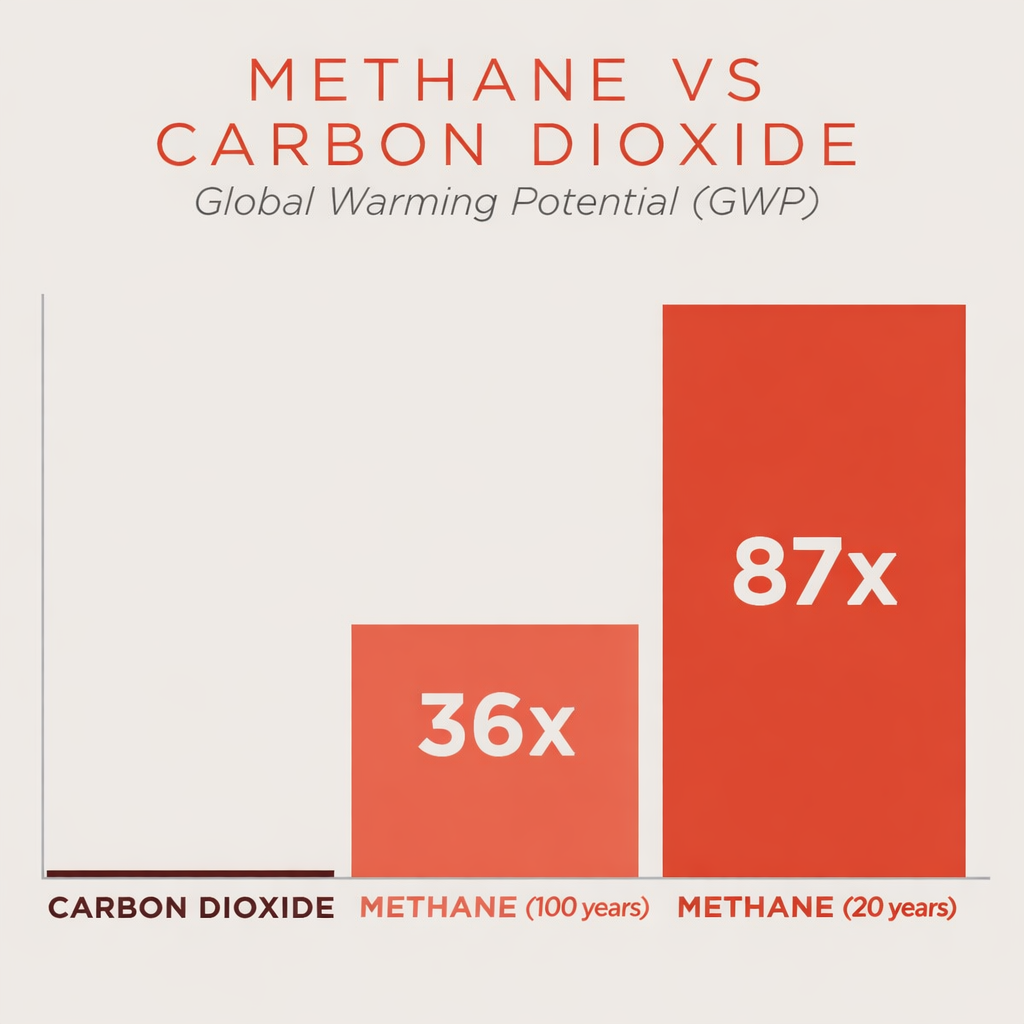
Methane is significantly more effective at trapping heat in the atmosphere than CO2—it has a global warming potential of 84 times that of CO2 over 20 years and is responsible for at least 30% of the global warming we are experiencing today.
Methane is also a short-lived climate pollutant, meaning that it does the most damage in the first years following its release into the atmosphere. For these reasons, the IPCC recognizes the reduction of methane emissions as the most effective immediate strategy for slowing down global warming.
With atmospheric methane levels already above those needed to limit warming to 1.5° C, additional methane-specific strategies are desperately needed. Indeed, according to the 2021 Global Methane Assessment, a 45% reduction in global methane emissions over the next 10 years could prevent 0.3°C of additional warming by 2045.
Since methane cannot be sequestered, it needs to be actively mitigated to avoid the worst impacts of climate change.
JB Wells targets marginal oil and gas wells before they become abandoned and cause an even greater risk of emitting for decades due to the lack of a responsible party to plug them and mitigate their climate impacts. JB Wells finds these wells, quantifies their associated methane emissions, and permanently plugs them to stop current leaks and prevent future releases of methane from these sources.
To see if your well qualifies for plugging.
Marginal wells represent the highest impact, lowest complexity segment of the methane abatement market. Many marginal wells emit methane, as well as other carcinogenic chemicals such as benzene, continuously for decades without intervention. Permanent closure delivers immediate quantifiable emission reductions with no rebound risk. Our methane abatement projects are:
JB Wells is positioned to define the standard for methane abatement credit quality in the United States market.
If you’re evaluating methane abatement opportunities, carbon credit procurement, or capital deployment into climate infrastructure, we’re happy to share more about our execution model, verification framework, project pipeline and investment opportunities.
Use the form to reach our team and we’ll follow up directly.